
Should Travel to Varanasi Alone or With a Tour Operator? , Varanasi, one of the world’s oldest continuously inhabited cities, stands as a spiritual beacon on the banks of the sacred Ganges River. For many travelers, especially senior visitors, the question of whether to explore this ancient city independently or with the guidance of a tour operator becomes a crucial decision that can significantly impact their experience. This comprehensive guide explores both options to help you make an informed choice for your parents’ journey to this mystical destination.
Understanding Varanasi: The City of Light
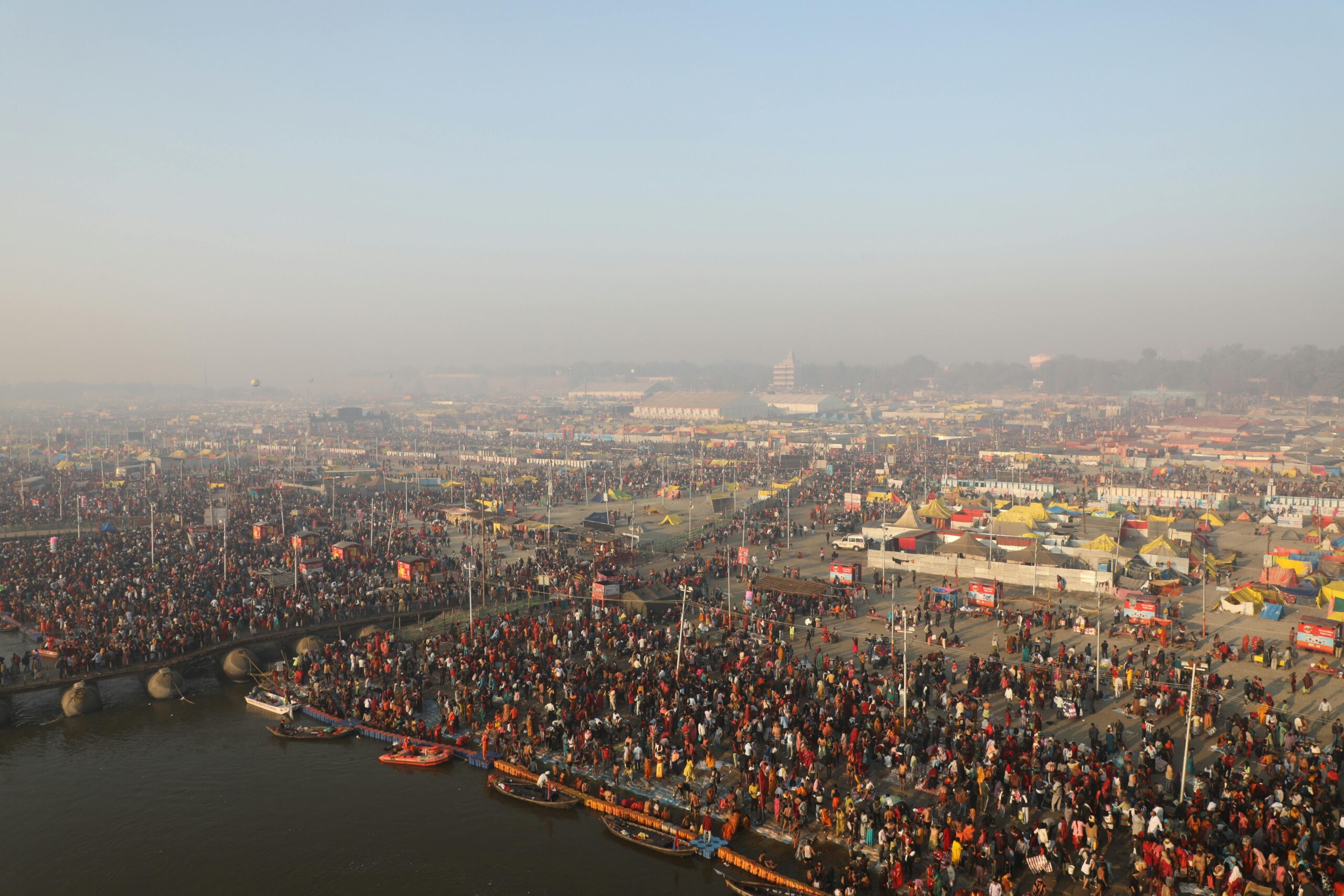
Should Parents Travel to Varanasi Alone or With a Tour Operator? , Before diving into the logistics of travel, it’s essential to understand what makes Varanasi unique. Known as Kashi or Banaras, this holy city draws millions of pilgrims and travelers annually. The city is a sensory explosion where ancient temples, narrow winding lanes, cremation ghats, and vibrant markets converge into an experience unlike anywhere else on earth. The spiritual energy is palpable, the crowds can be intense, and the cultural nuances are deep and complex.
For elderly travelers or those unfamiliar with Indian culture, Varanasi presents both extraordinary opportunities and genuine challenges. The city’s infrastructure, while improving, still features uneven pavements, chaotic traffic, and intense crowds that can be physically and mentally demanding. Understanding these realities is the first step in determining the best travel approach.
The Case for Traveling with a Tour Operator
Should Parents Travel to Varanasi Alone or With a Tour Operator? , Varanasi’s labyrinthine old city, with its maze of narrow lanes barely wide enough for two people to pass, can confuse even experienced travelers. A tour operator provides structured navigation, ensuring your parents don’t get lost in the winding alleys or miss significant landmarks. Professional guides know the optimal routes, the best times to visit different locations, and how to avoid the most crowded periods.
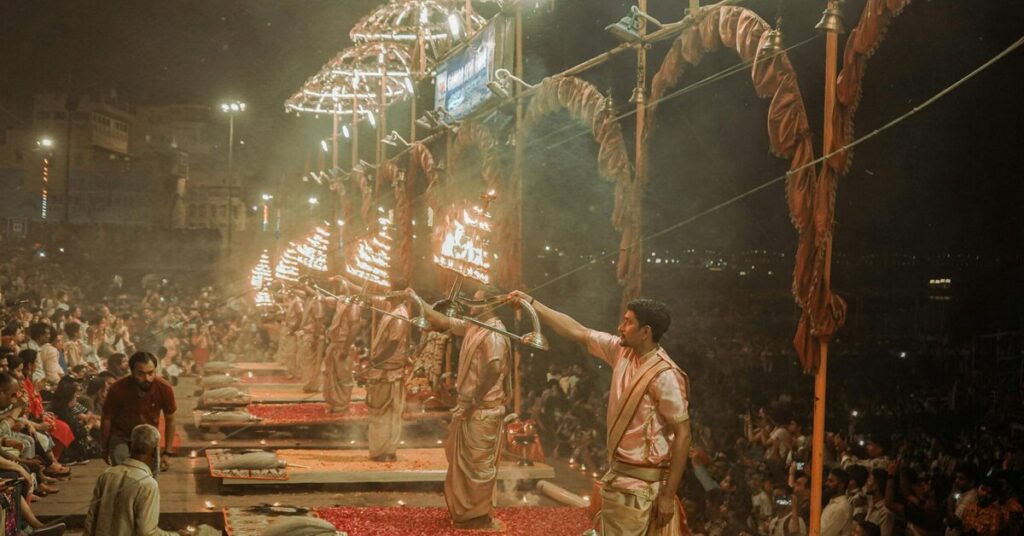
Tour operators also handle the complex logistics of booking accommodations in appropriate locations, arranging reliable transportation, and coordinating timing for key experiences like the Ganga Aarti ceremony at Dashashwamedh Ghat. This level of organization removes the stress of planning and allows your parents to focus entirely on the experience itself.
Cultural Understanding and Context
The spiritual and religious significance of Varanasi runs deep, with traditions spanning thousands of years. Without proper context, visitors might observe rituals without understanding their profound meaning. A knowledgeable guide transforms observations into meaningful experiences by explaining the symbolism behind ceremonies, the historical significance of temples, and the cultural practices that define daily life along the ghats.
For instance, witnessing the cremation ceremonies at Manikarnika Ghat can be confronting without understanding the Hindu perspective on death and liberation. A sensitive, well-trained guide can provide this context while ensuring your parents maintain appropriate respect and behavior in these sacred spaces.
Safety and Health Considerations
Tour operators prioritize guest safety and comfort. They direct travelers to restaurants with proper hygiene standards, provide bottled water, and ensure accommodations meet international cleanliness expectations. This is particularly important for elderly travelers who may have sensitive digestive systems or specific health requirements.
Additionally, reputable tour operators carry insurance, have emergency protocols, and maintain relationships with local hospitals and medical facilities. If your parents have any health concerns or mobility issues, this support network becomes invaluable. Tour operators can also arrange for accessible transportation and accommodations that meet specific needs.
Time Efficiency and Comprehensive Coverage
Varanasi offers countless temples, ghats, and cultural sites. Without a structured plan, visitors often miss significant locations or waste time figuring out how to reach them. Tour operators create efficient itineraries that maximize limited time, ensuring your parents experience the city’s highlights without exhausting themselves.
This efficiency extends to skip-the-line access at popular sites, reserved seating for ceremonies, and priority boat bookings for sunrise excursions on the Ganges. These conveniences, while seemingly small, significantly enhance the overall experience.
Language and Communication Bridge
While many Varanasi residents speak some English, effective communication still presents challenges. Tour guides fluent in both English and Hindi serve as cultural and linguistic bridges, facilitating interactions with locals, helping negotiate purchases in markets, and ensuring clear communication in restaurants and hotels.
This becomes particularly important in emergency situations or when specific needs arise. Having someone who can clearly communicate medical requirements, dietary restrictions, or special requests removes a significant source of potential stress.
The Case for Independent Travel
Freedom and Flexibility
Independent travel offers unparalleled flexibility. Your parents can wake when they choose, linger at locations that captivate them, and skip attractions that don’t resonate. This autonomy is particularly valuable for travelers who prefer a slower pace or have specific interests they want to pursue in depth.
If your parents are early risers, they can witness the magical dawn on the Ganges without adhering to a group schedule. If they’re tired, they can rest without feeling they’re missing a pre-paid tour. This flexibility can reduce travel stress and create a more relaxed, enjoyable experience.
Authentic Spontaneous Interactions
Some of the most memorable travel moments occur spontaneously. Independent travelers often have more opportunities for genuine interactions with locals, whether it’s chatting with a chai vendor, being invited to observe a family ceremony, or discovering a hidden temple through casual wandering.
These unscripted moments create deep connections and understanding that structured tours sometimes miss. For travelers who value authenticity and spontaneity, independent exploration opens doors to experiences that no itinerary can plan.
Cost Considerations
Full-service tour packages include markup for organization, guides, and convenience. For budget-conscious travelers, independent travel combined with selective hiring of local guides for specific experiences can significantly reduce costs while still providing expert insight when it matters most.
Your parents could book their own accommodations, use local transportation or ride-sharing apps, and hire guides only for key experiences like the evening Aarti ceremony or a dawn boat ride. This approach maintains independence while capturing the benefits of expert guidance at crucial moments.
Personal Pace and Preferences
Every traveler has unique interests and energy levels. Independent travel allows your parents to design their experience around their specific preferences. If they’re particularly interested in textiles, they can spend hours exploring Varanasi’s famous silk weavers. If spirituality draws them, they can attend multiple ceremonies or spend contemplative time at quiet ghats.
This personalization is difficult to achieve in group tours with fixed schedules and diverse participant interests. Independent travel respects individual preferences and physical limitations.
The Hybrid Approach: Best of Both Worlds
Many experienced travelers recommend a middle path that combines independence with strategic professional guidance. This approach involves traveling independently while hiring local guides for specific experiences that benefit from expert knowledge.
For example, your parents could book their own hotel, explore the markets and ghats at their leisure during the day, but hire a guide for the evening Ganga Aarti to understand its significance, or book a guided dawn boat ride to learn about the different ghats and their purposes. Local guides can be hired through reputable agencies, hotel recommendations, or verified online platforms.
This hybrid approach provides flexibility, cost savings, and authentic experiences while ensuring that the most significant and complex aspects of Varanasi are properly understood and appreciated. It also allows your parents to establish rapport with a local guide who can provide recommendations and assistance throughout their stay.
Key Factors to Consider
Age and Mobility
Physical capability significantly influences the best choice. Varanasi requires substantial walking, often on uneven surfaces and steps. If your parents have mobility issues, a tour operator can arrange wheelchair-accessible transportation, select hotels with elevators, and plan routes that minimize physical challenges.
Conversely, if your parents are fit and active, they may enjoy the freedom to explore at their own pace without feeling constrained by less mobile group members.
Previous India Experience
Travelers familiar with India’s rhythms, sounds, and cultural norms will find independent navigation easier than first-time visitors. If your parents have traveled extensively in India, they already understand local customs, food safety practices, and negotiation norms. For first-time visitors, a tour operator provides invaluable guidance through unfamiliar territory.
Travel Style and Personality
Some people thrive on spontaneity and adventure, while others prefer structure and security. Honest self-assessment about travel personality helps determine the best approach. Your parents’ comfort with uncertainty, ability to problem-solve in unfamiliar situations, and preference for structure versus flexibility should guide this decision.
Spiritual Versus Tourist Motivations
Visitors come to Varanasi for different reasons. Those seeking deep spiritual connection might benefit from guides who understand religious practices and can facilitate meaningful participation. Tourists primarily interested in photography and sightseeing might prioritize flexibility to capture the perfect light or explore independently.
Duration of Stay
Shorter visits often benefit more from tour operator structure to maximize limited time. Longer stays provide opportunities to blend both approaches, starting with guided tours to establish orientation and context, then transitioning to independent exploration once comfortable.
Practical Recommendations
Regardless of the approach chosen, certain practices enhance the Varanasi experience. Research accommodations carefully, prioritizing locations with good reviews regarding cleanliness and service. Consider staying near Assi Ghat, which offers easier access while maintaining authentic atmosphere.
Prepare your parents for sensory intensity. Varanasi is loud, crowded, and visually overwhelming. Mental preparation helps manage initial culture shock. Discuss appropriate dress codes, photography etiquette, and respectful behavior in sacred spaces.
Ensure comprehensive travel insurance covering medical emergencies. Carry a basic first aid kit and any necessary medications, as specific brands may not be readily available.
If choosing independent travel, identify reliable resources in advance. Research reputable local guides, note hospital locations, and save important contacts including hotel information, embassy numbers, and trusted tour operators who can assist if needed.
Making the Final Decision
The ideal choice depends entirely on your parents’ specific situation. Consider their health, travel experience, budget, interests, and comfort with uncertainty. Engage them in this decision-making process, as their preferences and self-awareness are the most important factors.
Many families find peace of mind in arranging a tour operator for a first-time visit, with the option to explore independently on potential future trips once familiarity is established. This progressive approach builds confidence while ensuring a positive initial experience.
Remember that Varanasi is transformative regardless of how it’s explored. The ancient city’s power to move and inspire transcends logistics. Whether navigating independently or with professional guidance, the spiritual energy of this sacred place will create lasting memories for your parents.
Conclusion
There is no universally correct answer to whether parents should explore Varanasi independently or with a tour operator. Both approaches offer distinct advantages and potential drawbacks. The best choice emerges from honest assessment of capabilities, preferences, and priorities.
Tour operators provide structure, safety, cultural context, and logistical ease—invaluable benefits for many travelers, especially those unfamiliar with India or with specific health and mobility considerations. Independent travel offers flexibility, authenticity, cost savings, and personal autonomy that some travelers prize above convenience.
The hybrid approach—independent travel with strategic professional guidance—often provides an optimal balance, capturing benefits from both methods while minimizing drawbacks.
Whichever path you choose, ensure it aligns with your parents’ capabilities and desires. A thoughtful, personalized approach to planning their Varanasi journey will help create the meaningful, enriching experience this extraordinary city promises.
Frequently Asked Questions
Q1: Is Varanasi safe for elderly travelers?
Varanasi is generally safe for tourists, including elderly travelers, but it does present challenges. The primary concerns are not violent crime but rather navigating uneven pavements, managing crowded spaces, and potential health issues related to food and water. Tour operators mitigate these risks through careful planning and local knowledge. If traveling independently, elderly visitors should take precautions such as staying in reputable accommodations, avoiding street food initially, drinking only bottled water, and being cautious on steps and uneven surfaces. Many elderly travelers visit Varanasi successfully each year, but realistic assessment of physical capabilities and proper preparation are essential for a safe experience.
Q2: How much does a guided tour of Varanasi typically cost compared to independent travel?
Guided tour packages for Varanasi vary widely based on accommodation level, duration, and inclusions. A comprehensive 3-4 day package with a reputable operator typically ranges from $300-800 per person, including accommodation, transportation, guides, and some meals. Independent travel can reduce costs significantly, with budget accommodations available from $20-50 per night, local transportation at minimal cost, and individual experiences like guided boat rides costing $10-30. However, independent travel requires more planning time and assumes competence in navigation and problem-solving. The cost difference becomes less significant when factoring in the value of expertise, convenience, and eliminated stress that tour operators provide.
Q3: What is the best time of year for parents to visit Varanasi?
The optimal time to visit Varanasi is during the cooler months from October to March, with November through February being particularly pleasant. Temperatures during this period range from 5-25°C (41-77°F), making outdoor exploration comfortable for elderly travelers. The summer months (April-June) can be extremely hot, with temperatures exceeding 45°C (113°F), which can be dangerous for seniors. The monsoon season (July-September) brings heavy rains and humidity, making navigation difficult on wet, slippery ghats. Winter mornings can be misty, creating atmospheric views of the Ganges but requiring warm layers. Consider major festivals like Dev Deepawali (usually in November) for spectacular celebrations, though crowds increase significantly during these periods.
Q4: Can tour operators accommodate special dietary or medical requirements?
Reputable tour operators are experienced in accommodating various dietary restrictions and medical requirements. When booking, clearly communicate all needs including vegetarian or vegan preferences, food allergies, religious dietary restrictions, and medical conditions requiring specific accommodations. Professional operators can arrange meals at restaurants meeting hygiene standards while respecting dietary needs, ensure proximity to medical facilities, and adjust itineraries to account for mobility limitations or energy levels. They can also facilitate wheelchair accessibility, arrange rest periods, and provide transportation suitable for those with physical challenges. The key is thorough communication during the booking process and confirmation that the operator has successfully handled similar requirements previously. Request written confirmation of agreed-upon accommodations.
Q5: If choosing independent travel, what are the essential things to arrange in advance?
For independent travelers, certain advance arrangements ensure a smoother experience. First, book accommodation in a well-reviewed hotel or guesthouse, ideally near Assi Ghat or another accessible location with good infrastructure. Arrange airport or railway station transfers in advance through your hotel or a reputable service to avoid arrival confusion. Research and save contact information for verified local guides who can be hired for specific experiences. Download navigation apps that work offline and mark key locations. Ensure comprehensive travel insurance with medical coverage and emergency evacuation. If your parents have prescription medications, bring adequate supplies as specific brands may be unavailable. Consider purchasing an Indian SIM card for reliable communication. Finally, educate yourselves about basic cultural norms, appropriate dress codes for temples, and photography etiquette, particularly around cremation ghats where photography is often prohibited or restricted.